
In September of 2020, the California Department of Public Health’s data showed infection rates for COVID-19 were disproportionately out of control amongst African Americans and Hispanics. Based on their own research, one of the main drivers of the numbers was laxity in adherence to COVID-19 safety guidelines (Wear a Mask. Wash Hands. Socially Distance.)
While CDPH had been consistently running a PSA campaign educating audiences about these guidelines, it appeared these messages were no longer — or had stopped — resonating.
Based on the research we conducted we found two key factors driving this phenomenon:
1. There was compartmentalization of how these groups were treating the safety guidelines. Despite many in these segments having frontline jobs and being essential workers where it was a work requirement to adhere to the CDC guidelines, they were not taking the same precautions at home when interacting with family and friends.
2. Amongst younger adults, there was a cavalier sense of invincibility to this invisible threat — and that of those with whom they were closest.
GET: African Americans and Hispanics who overlooked the importance of preventative measures in their private lives
TO: Immediately shift their behavior and embrace the safety guidelines in all parts of their lives
BY: Showing how heinous and close COVID-19 truly is, at all times
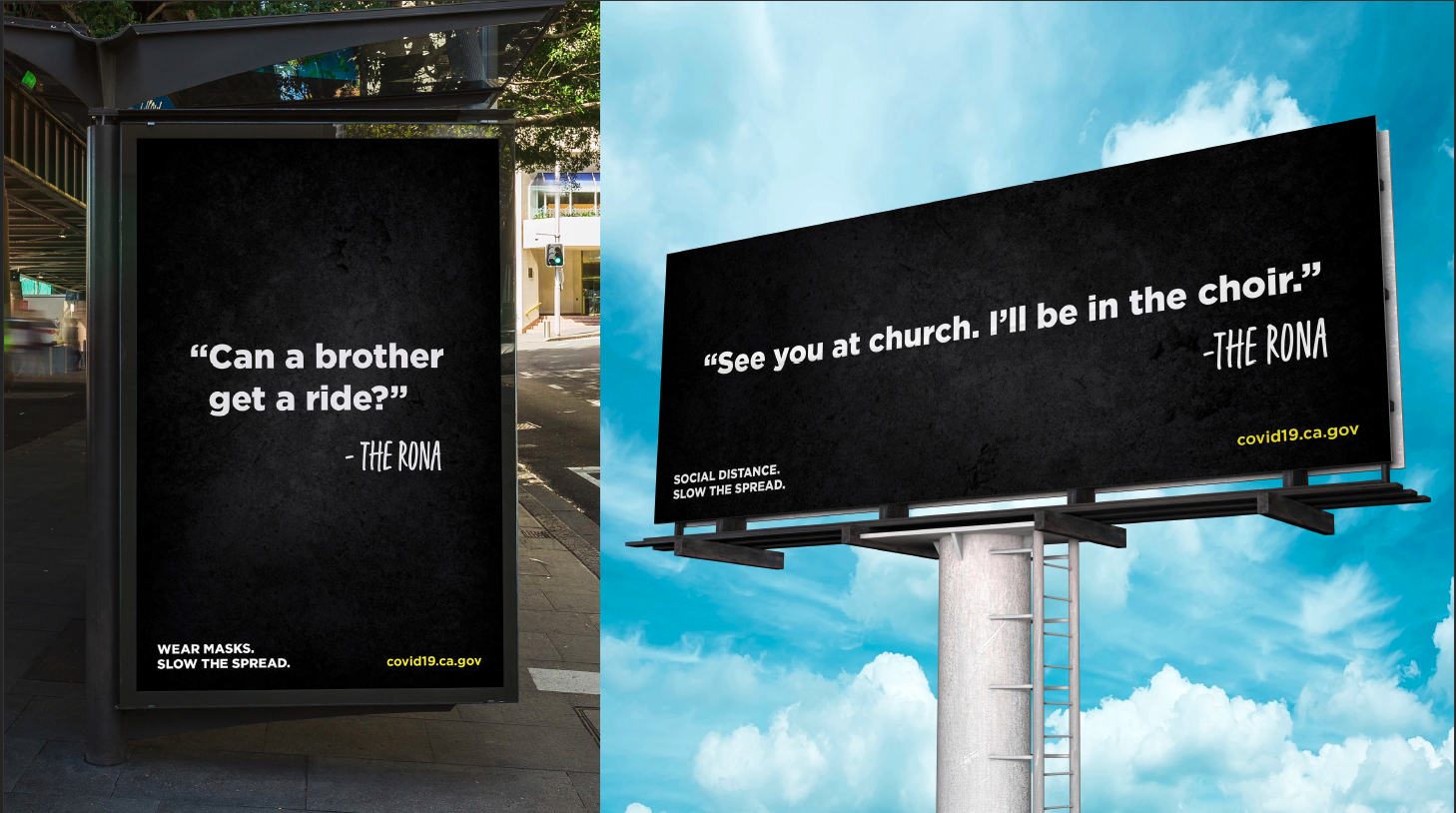
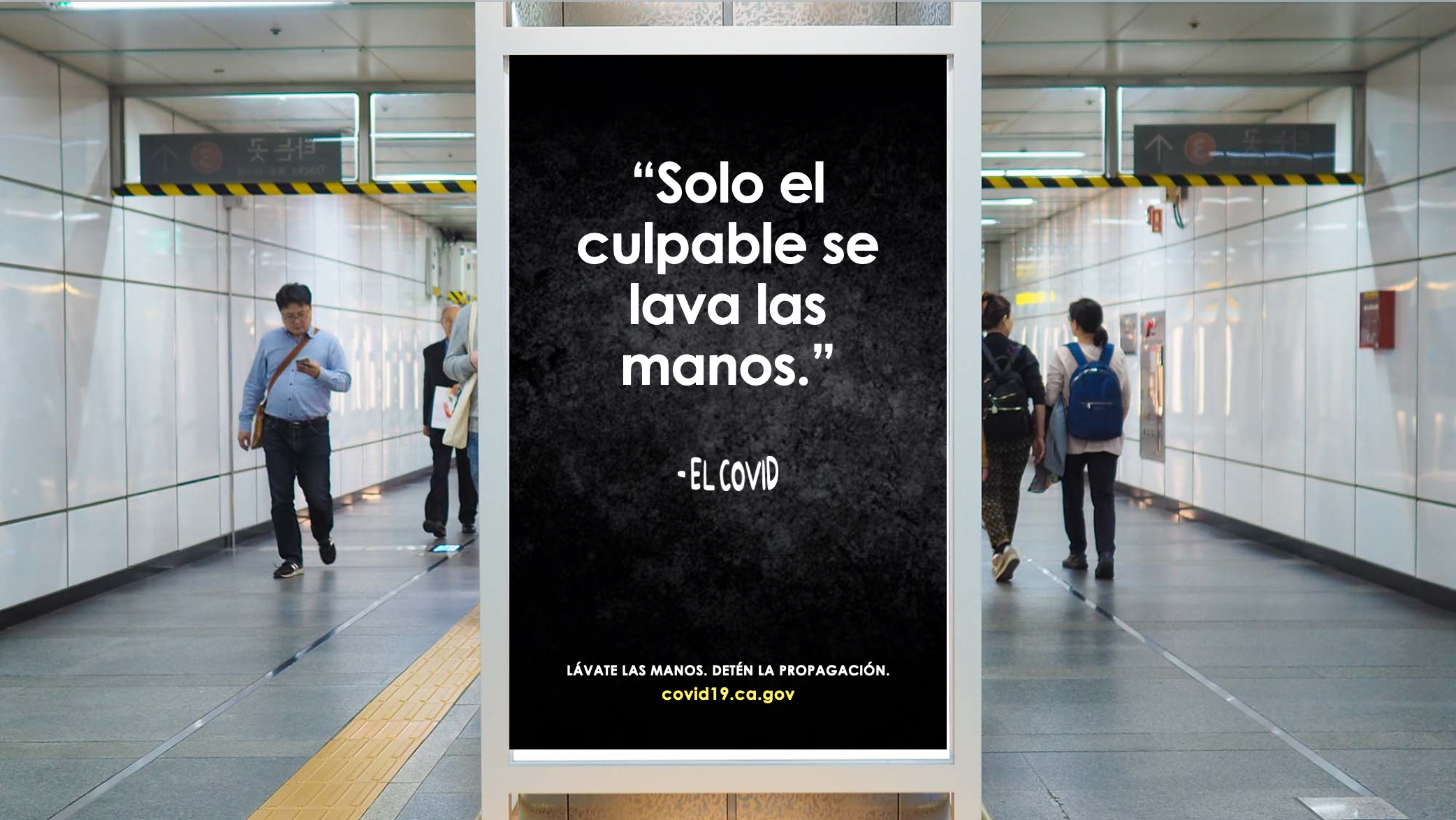
The rational PSA approach to educate the public fell on deaf ears. We needed a more emotionally arresting way to capture their attention. As such, we devised a reverse psychology approach, praising people for their bad behavior. We personified COVID-19 itself to the African American community as “The Rona.” For the Latino community, it was “El Covid.”
Although the virus remained faceless, we gave people a sense they were seeing the world through its filthy lens. Most importantly, we created a dark, sinister and egotistical voice who praised people for being irresponsible. This made the virus pleasantly grateful, allowing it to spread its “infectious” self from person to person.
The CDPH integrated media strategy was designed to effectively reach and engage Latino and African American communities across the state, particularly those with a high number of COVID cases. The strategy employed a layered approach that encompasses digital and radio advertising at launch, then integrating television, out-of-home advertising, ethnic print, and OTT (over-the-top) platforms.
The campaign was rooted in data-driven insights to ensure it effectively reached the target audiences and provided efficiencies. Data from reputable sources like Nielsen and ComScore informed the placement of digital, radio and TV ads, allowing for precise targeting and increased frequency. The goal was to reach English and Spanish-speaking communities in key DMA/Metro areas such as LA, San Francisco, San Diego, Sacramento, and Fresno.
The execution of the media campaign adopted a digital-first approach, leveraging highly targeted digital tactics in combination with radio & TV advertising. Digital channels provided precise targeting capabilities, while radio offered a broader reach and frequency element to enhance campaign effectiveness. As the campaign progressed, we expanded to include television, OTT platforms, and ethnic media partnerships. Key media partners such as iHeart, Univision, Telemundo, and Katz Media were selected as strategic partners to ensure wide coverage and impactful messaging.
In just a few months, the campaign delivered more than 112 million impressions on Facebook and Instagram alone, spreading awareness on the importance to practice social distancing to prevent the spread of the virus.
Our digital films had 96% view rate and the campaign sparked over 600K engagements and a 200% month-to-month increase in social shares.
The ultimate validation of the impact of our integrated media efforts came on October 14, 2020, when California reported a 57% drop in Coronavirus deaths, making California one of just a few states trending in a positive direction over that time period (The Mercury News, October 14, 2020).
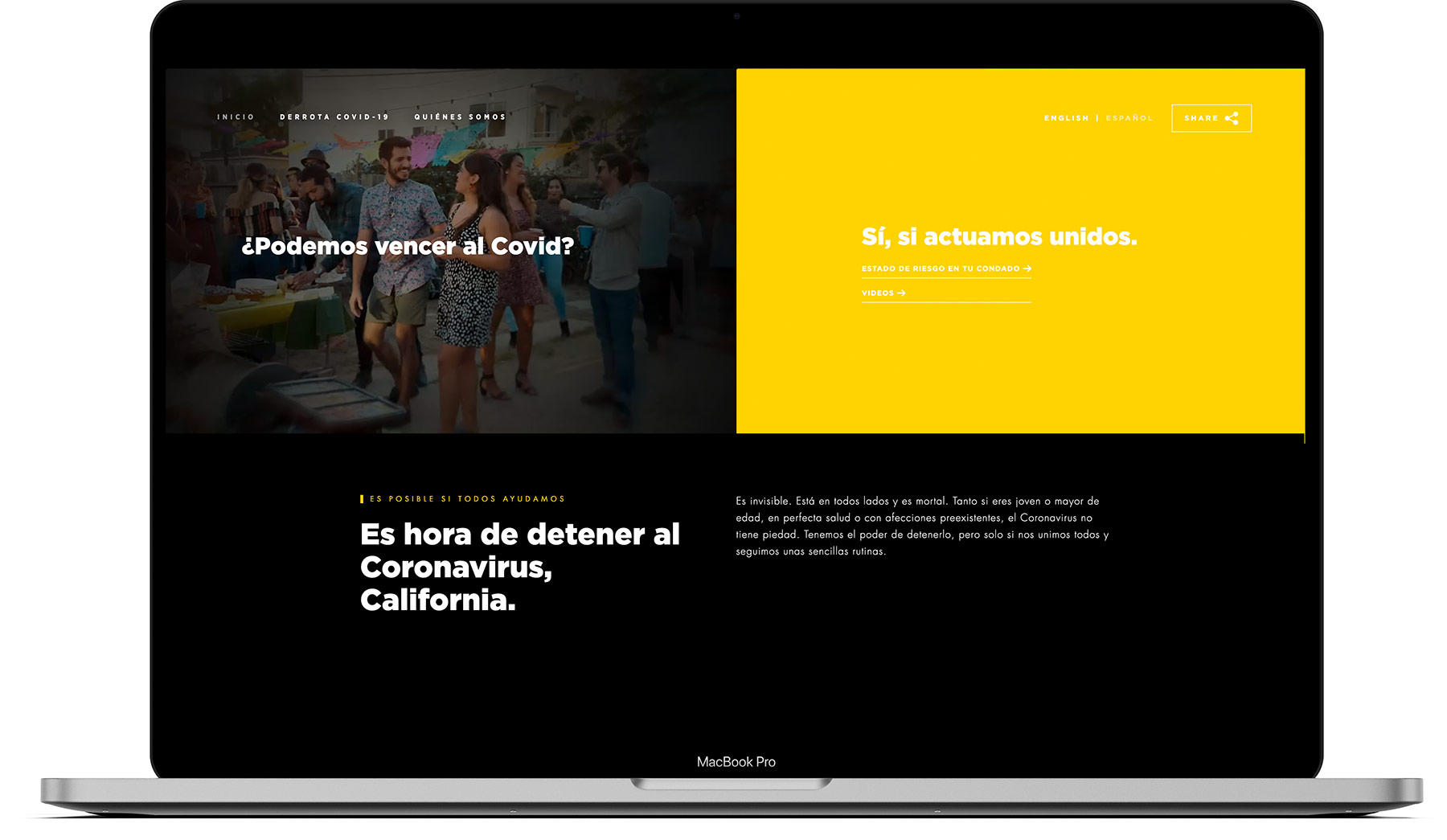
Central to the campaign was a website, which all social and broadcast media drove to.
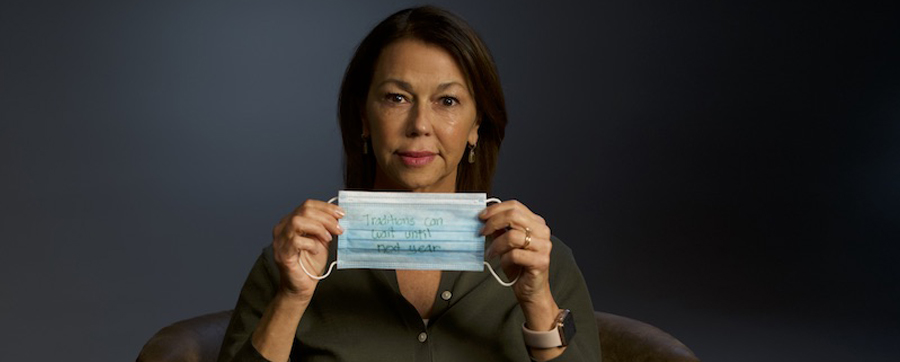
With an ever-evolving situation around COVID-19, a new challenge arose. With the holidays approaching and with stay-at-home fatigue already setting in, CDPH was very concerned the emotional draw to spend time with family over the holidays could drive an even greater spike in cases.
Deeming that our existing “The Rona” campaign wasn’t a tonal fit for this challenge, we developed, produced and launched a new fully integrated campaign — including a website — in 12 days.
GET: African American and Hispanic families thinking about spending time in person with loved ones over the holidays
TO: Rethink their options when making end-of-year plans and stay home
BY: Making an unexpected, emotional appeal from the voice in the family they respect most: Mom
.png)

We are a collective of smart, creative, culturally attuned trailblazers with unique cultural and consumer sensibilities that enable us to help brands stay in-step & grow with today's "new" consumer in ways no other marketing group can.